Good cooking is not always about complicated techniques. More often, it is the small things: how you prep, when you salt, what oil you use, whether the pan is crowded, and whether you give food enough time to do what it wants to do.
This section is a little notebook of things I have picked up over the years. Some came from cookbooks, some came from chefs, and some came from making the same mistake enough times that even I eventually got the message.
Kitchen Hints
- Soak cut potatoes in cold water to remove excess starch.
- Use peanut oil for high-heat cooking when you want a neutral flavour.
- Use olive oil when the flavour of the oil is part of the dish.
- Let meat rest before slicing so the juices stay in the meat.
- If a dish tastes flat, try acid before adding more salt.
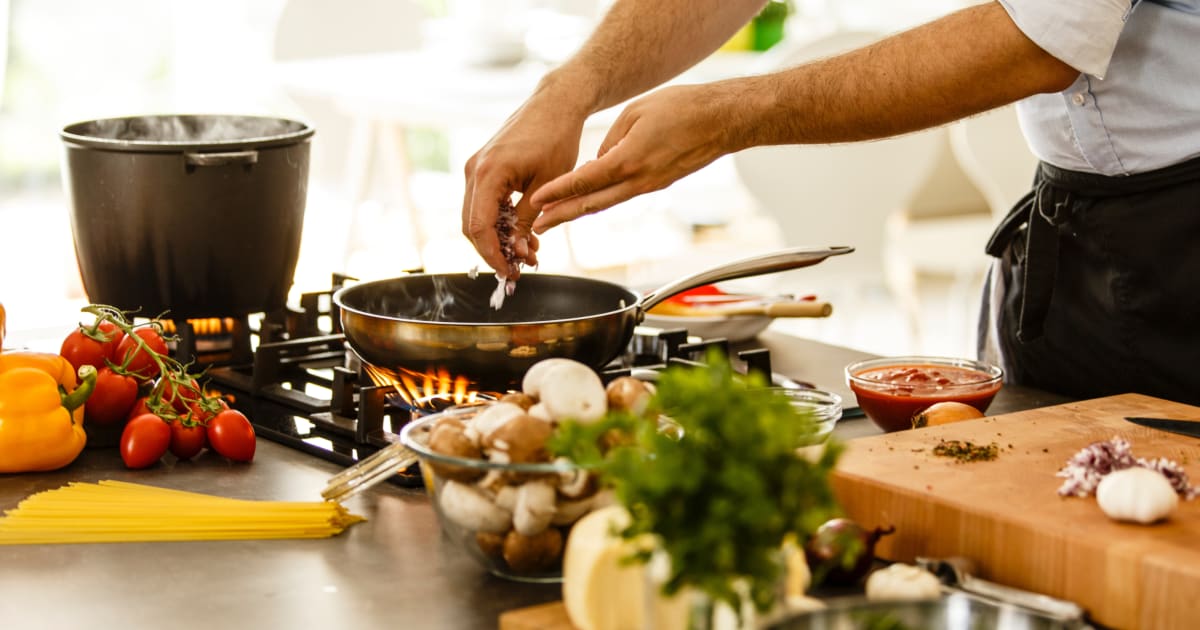
- Do not crowd the pan or food will steam instead of brown.
Potatoes in Cold Water
When you cut potatoes, starch sits on the surface. If you put those potatoes straight into a pan or fryer, that starch can make them stick together and stop them from crisping properly.
Soaking the potatoes in cold water pulls away some of that surface starch. Thirty minutes helps. A few hours is better. Overnight in the fridge is great if you are prepping ahead.
After soaking, drain the potatoes and dry them very well. Wet potatoes steam. Dry potatoes brown.
Peanut Oil vs. Olive Oil
Peanut oil is great when you need high heat and do not want the oil to bring much flavour of its own. It works well for searing, frying, and cooking where the pan is going to get hot.
Extra virgin olive oil is different. Its flavour is part of the dish, which makes it better for dressings, drizzling, finishing, or cooking at gentler temperatures.
Resting Meat
Meat needs time after cooking. If you cut into it immediately, the juices run onto the board. Let it rest and those juices settle back into the meat.
Salt vs. Acid
If something tastes dull, the answer is not always more salt. Sometimes what the dish needs is brightness. A squeeze of lemon or a splash of vinegar can wake everything up.
Do Not Crowd the Pan
Browning needs heat and space. If too much food goes into the pan at once, moisture builds up and the food steams. Cook in batches when needed.